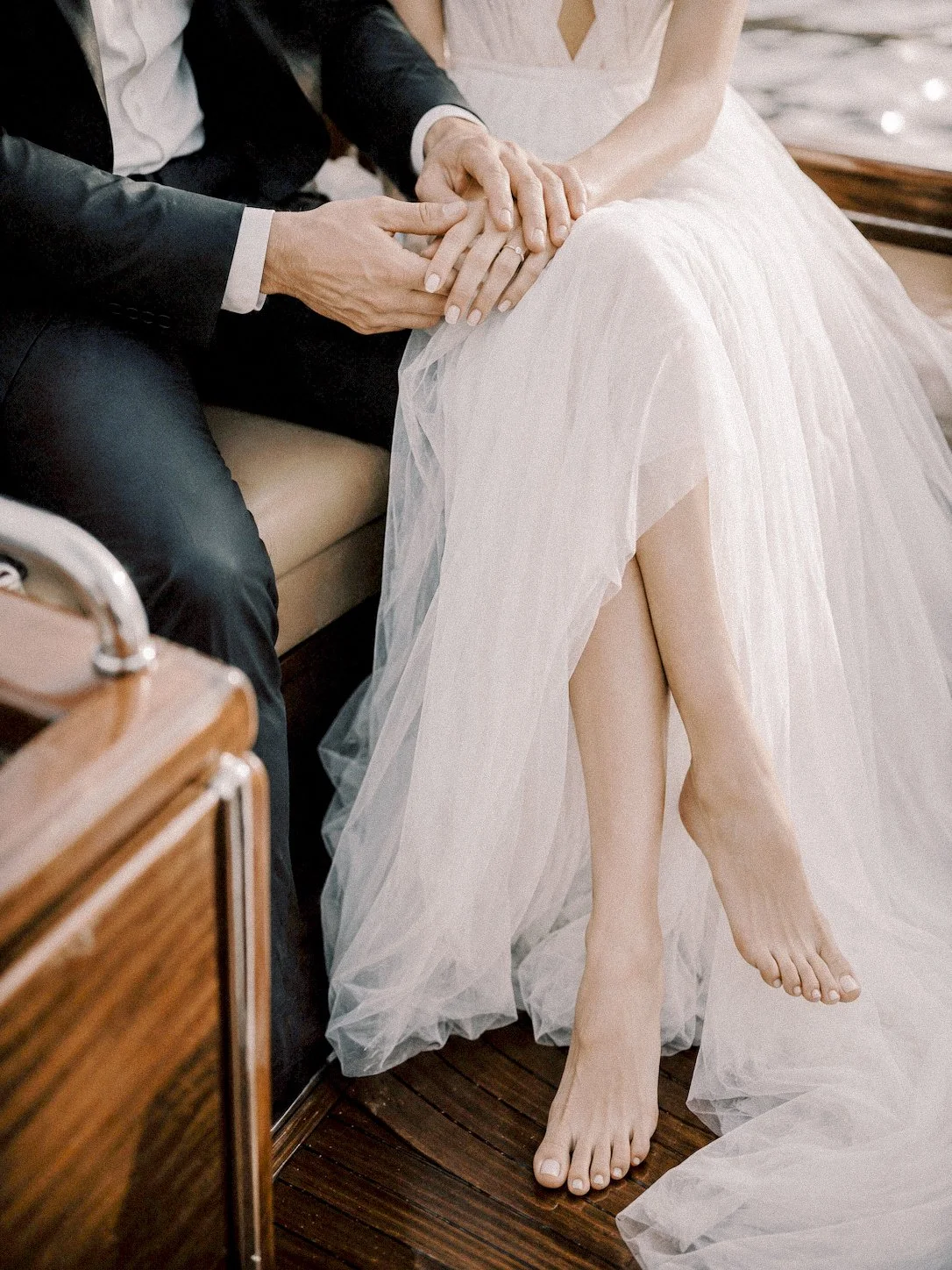
The Invisible Details That Elevate a Photograph: Hands and Feet
There is a silent language inside photography that very few photographers truly pay attention to.
We speak endlessly about light, composition, lenses, editing, color, and emotion — yet rarely about two elements capable of transforming an ordinary image into something sophisticated, elegant, and timeless:
the hands and the feet.
Yes — the hands and the feet.
They reveal direction, refinement, and aesthetic awareness.
They expose tension, discomfort, or lack of presence.
And more often than not, they are the invisible detail that separates a beautiful photograph from a truly unforgettable one.
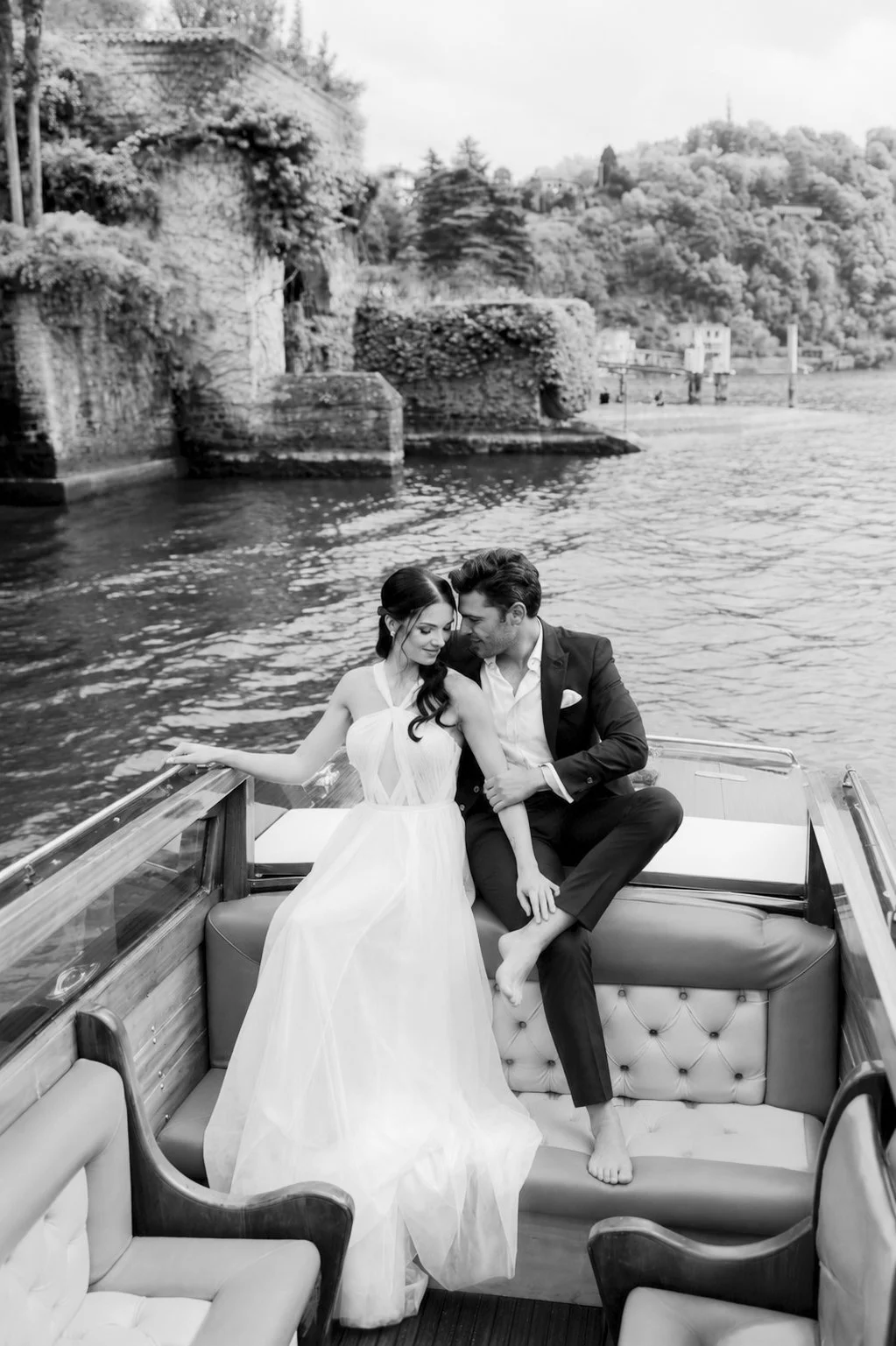
The Body Speaks Before the Face
Many photographers focus entirely on facial expression while forgetting that the entire body communicates.
Hands and feet act like visual punctuation marks: they complete the pose, guide the eye, and create rhythm inside the image.
A poorly positioned hand can destroy the delicacy of a portrait.
A foot without intention can completely break the elegance of a composition.
But when these details are directed with purpose, the photograph immediately reaches another level of sophistication.
Hands: Elegance or Visual Noise
Tense hands create visual noise.
Rigid fingers communicate discomfort.
Lifeless wrists remove all sense of fluidity.
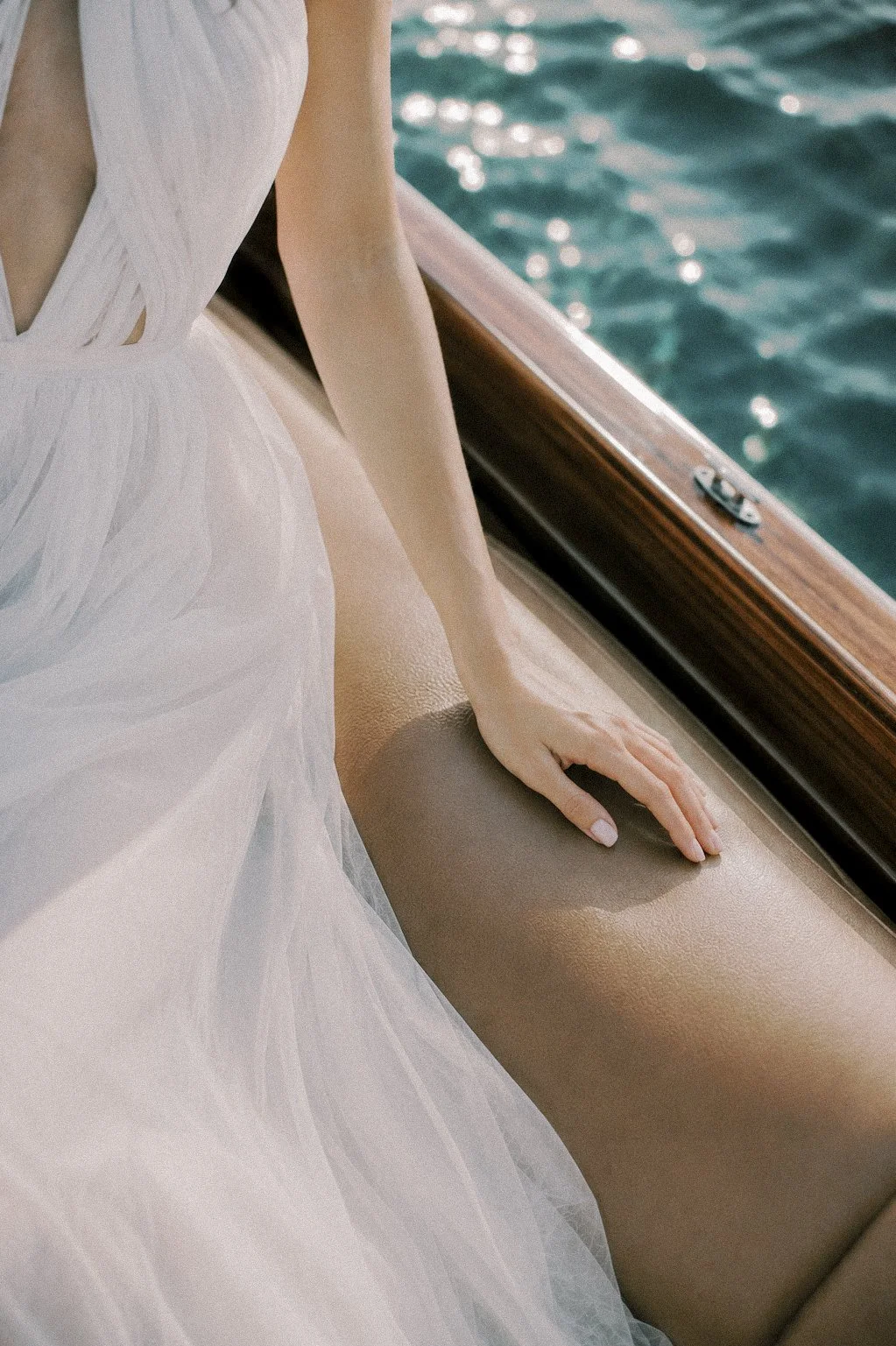
On the other hand, soft, elongated, intentional hands create a cinematic sense of grace.
A well-directed hand can:
bring femininity;
create sophistication;
communicate serenity;
enhance storytelling;
instantly elevate the aesthetic of an image.
In fashion and editorial photography, this is taken very seriously.
Because beautiful hands resemble choreography.
And elegance, ultimately, is rhythm.
Feet: The Foundation of Presence
Feet are often ignored — yet they may be one of the greatest missing elements in photographic direction.
The direction of the feet changes:
posture;
silhouette;
body tension;
movement;
the subject’s overall presence within the frame.
A simple adjustment in the angle of a foot can completely transform a photograph.
Parallel feet create rigidity.
Directed feet create flow.
It is subtle — but incredibly powerful.
The Difference Between Posing and Directing
Many people still confuse posing with direction.
Posing is placing someone into a position.
Directing is creating intention within that position.
And this is exactly where hands and feet become essential:
they refine body language and make an image feel natural, sophisticated, and alive.
Great photographers do not only observe faces.
They observe extremities.
Because they understand that elegance lives in the details.
Timelessness Lives in Subtlety
Truly timeless photographs rarely depend on trends.
They depend on balance, presence, and refined body language.
When hands and feet are directed consciously, a photograph gains:
elegance;
delicacy;
editorial language;
artistic presence;
timeless sophistication.
Most viewers may not consciously notice it.
But they will feel it.
And perhaps that is what separates a common image from a photograph that still feels elegant twenty years later.
The Detail That Changes Everything
Photography is not built only on light.
It is built on intention.
And often, what elevates an image to the highest levels of sophistication is not something dramatic — but rather the delicacy of a hand, the direction of a foot, or the silent fluidity of a gesture.
Good photographers understand this.
Exceptional photographers never forget it.
Perhaps that’s why, the next time you look at my photographs — or even your own — I invite you to also notice the hands and the feet.
Because it is often within those invisible details that we begin to see sophistication… where before, we only saw a beautiful pose.